X Międzynarodowa Konferencja Parazytologiczna
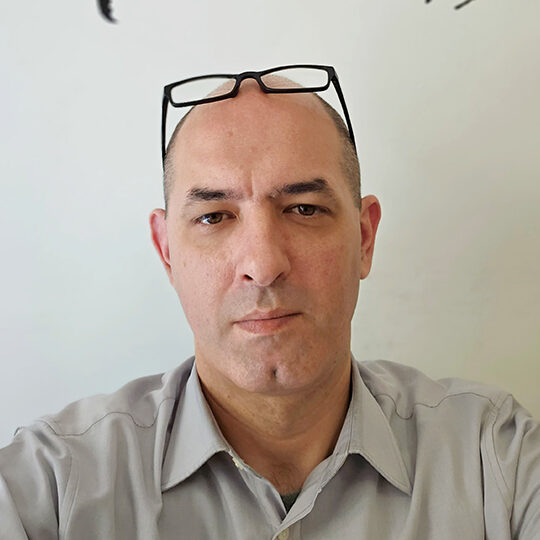
Department of Infectious Diseases, Istituto Superiore di Sanità, Italy
Adriano Casulli holds the position of Research Director at the Department of Infectious diseases at ISTITUTO SUPERIORE DI SANITÀ (Italian National Institute of Health – Rome, Italy), where he acts as director of the Unit of “Foodborne and Neglected Parasitic Diseases” (accredited as UNI CEI EN ISO/IEC 17025 and 17043). He also serve as director of the “European Union Reference Laboratory for Parasites” (EURL-P, food safety), “European Union Reference Laboratory for Public Health on Helminths and Protozoa (EURL-PH-HP)” and the “WHO Collaborating Centre for the epidemiology, detection and control of Cystic and Alveolar Echinococcosis (One Health)”.
He is scientist and advocate in the field of parasitic foodborne and Neglected Tropical Diseases (NTDs) with a focus on molecular and clinical epidemiology of cystic and alveolar echinococcosis. He is co-author of more than 160 scientific publications, reviewer for several peer-review journals, evaluator for international research projects, external expert for international agencies (ECDC, EFSA, WHO, FAO, WOAH) and member of the Editorial board of several international peer-review journals. He is the coordinator of many granted international collaborative research projects on helminths funded on competitive bases. He is data passionate and drawn to science.
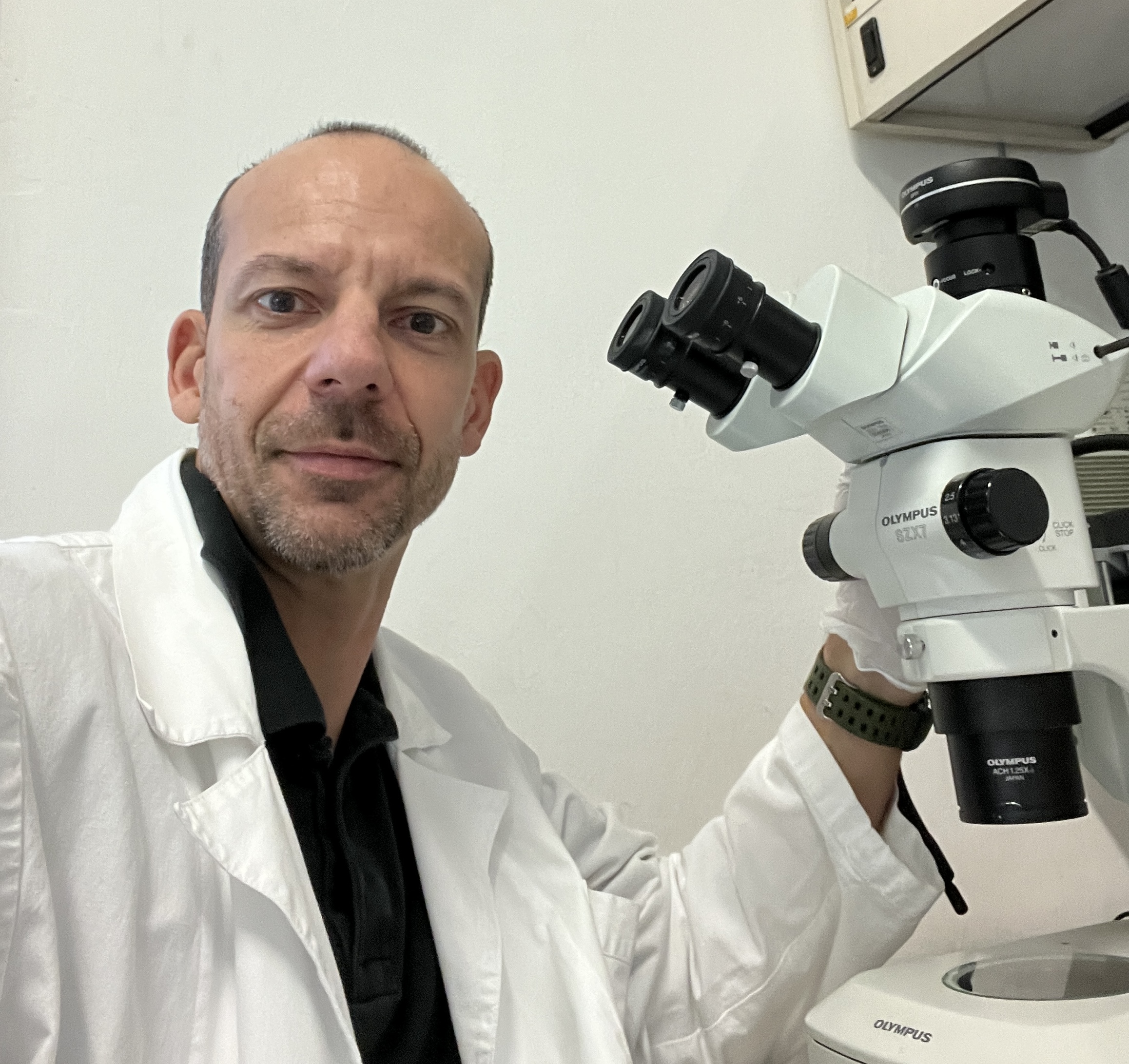
Istituto Superiore di Sanità (ISS), Rzym , Włochy
Scientist at the Department of Infectious Diseases of the Istituto Superiore di Sanità of Rome, Italy. Responsible for the molecular section of the European Union Reference Laboratory for Parasites and in charge for the organization of proficiency testing. Multi-year experience in the field of parasitology and molecular biology. Involved in molecular epidemiology studies on helminthic parasites belonging to Trichinella genera and in research activity on the protozoa Giardia duodenalis. Author and co-author of many scientific publications. Currently executive member of the International Commission on Trichinellosis.
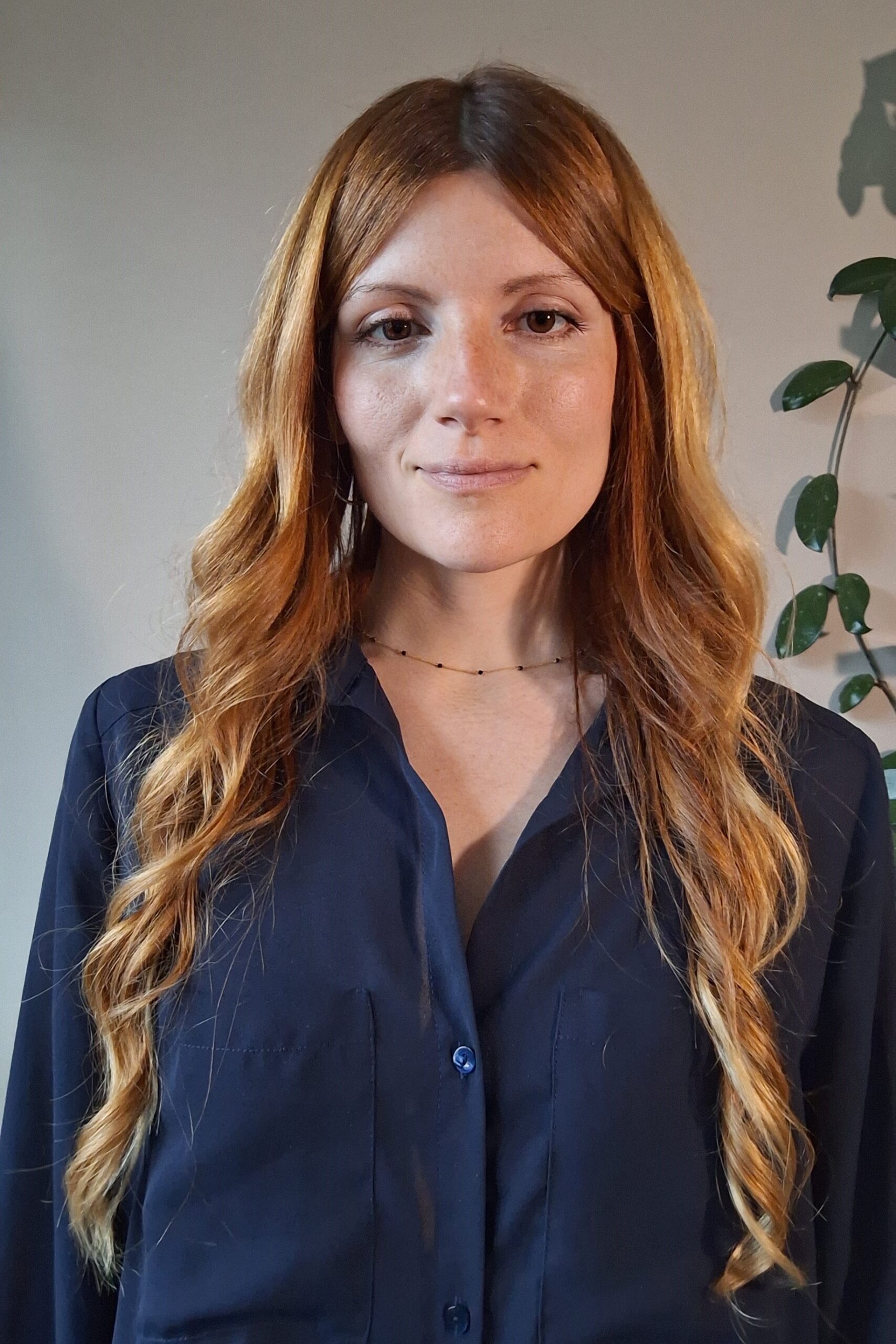
Department of Veterinary Sciences, University of Turin, Grugliasco (Turin), Italy
Selene graduated in Veterinary Medicine (DVM) in 2016 at the Department of Veterinary Sciences of the University of Turin (Italy) with a thesis investigating the presence of the zoonotic trematode Alaria alata in red foxes. She then completed her PhD in Veterinary Sciences for Animal Health and Food Safety with a thesis focusing on the application of Next Generation Sequencing (NGS) technologies to investigate the presence of antimicrobial-resistance genes in food matrices. During her PhD and Postdoctoral fellowships, Selene spent research periods at the University College Dublin, Centre for Food Safety (UCD-CFS, Ireland), at the Muséum d’histoire naturelle (MHN) of Genève (Switzerland) and at the Institute of Parasitology of the Universität Bern, Vetsuisse faculty (Switzerland). In May 2024, Selene won a National award for Science Communication with a presentation about the association of bovine sarcocystosis and eosinophilic myositis. She is currently a junior researcher (RTDA) at the University of Turin.
Selene’s research interests lie in Veterinary Public Health, with a special focus on the investigation of foodborne pathogens and on the application of NGS technologies in food safety. She is currently mainly involved in foodborne parasitology, focusing on protozoa (e.g. Sarcocystis spp.), trematodes and cestodes as emerging and often neglected foodborne parasites.
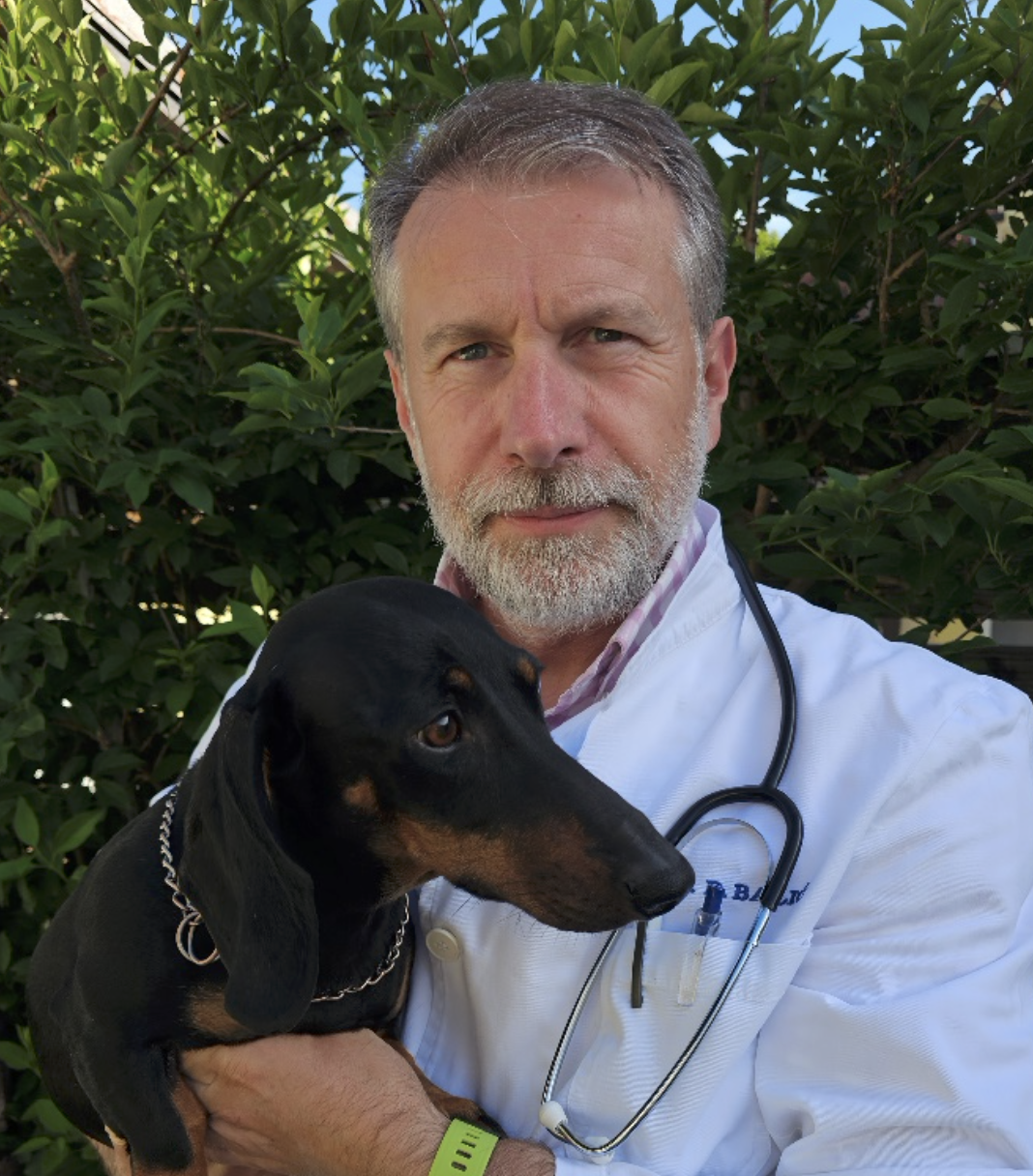
Croatian Veterinary Institute, Veterinary Department Vinkovci, Vinkovci, Croatia
As a Senior Research Associate at the Croatian Veterinary Institute’s Vinkovci Department, my career has been dedicated to the epidemiology of zoonoses. In the early stages, my work focused heavily on addressing trichinellosis, which was a critical public health issue in eastern Croatia.
Over the years, maintaining strong international connections has been a priority. This includes active participation in every International Conference on Trichinellosis (ICT) since 2007, alongside regular attendance at the European Reference Laboratory for Parasites (EURLP) workshops in Rome since 2012.
In addition to research, my professional responsibilities include serving as the EFSA contact person for trichinellosis in Croatia, working as an ISO/IEC 17025 Quality Manager, and acting as a technical expert for the Croatian Accreditation Agency (HAA) specializing in the artificial digestion method for the detection of Trichinella larvae. Sharing knowledge is a vital part of this journey, leading to numerous scientific publications and presentations at both national and international events.
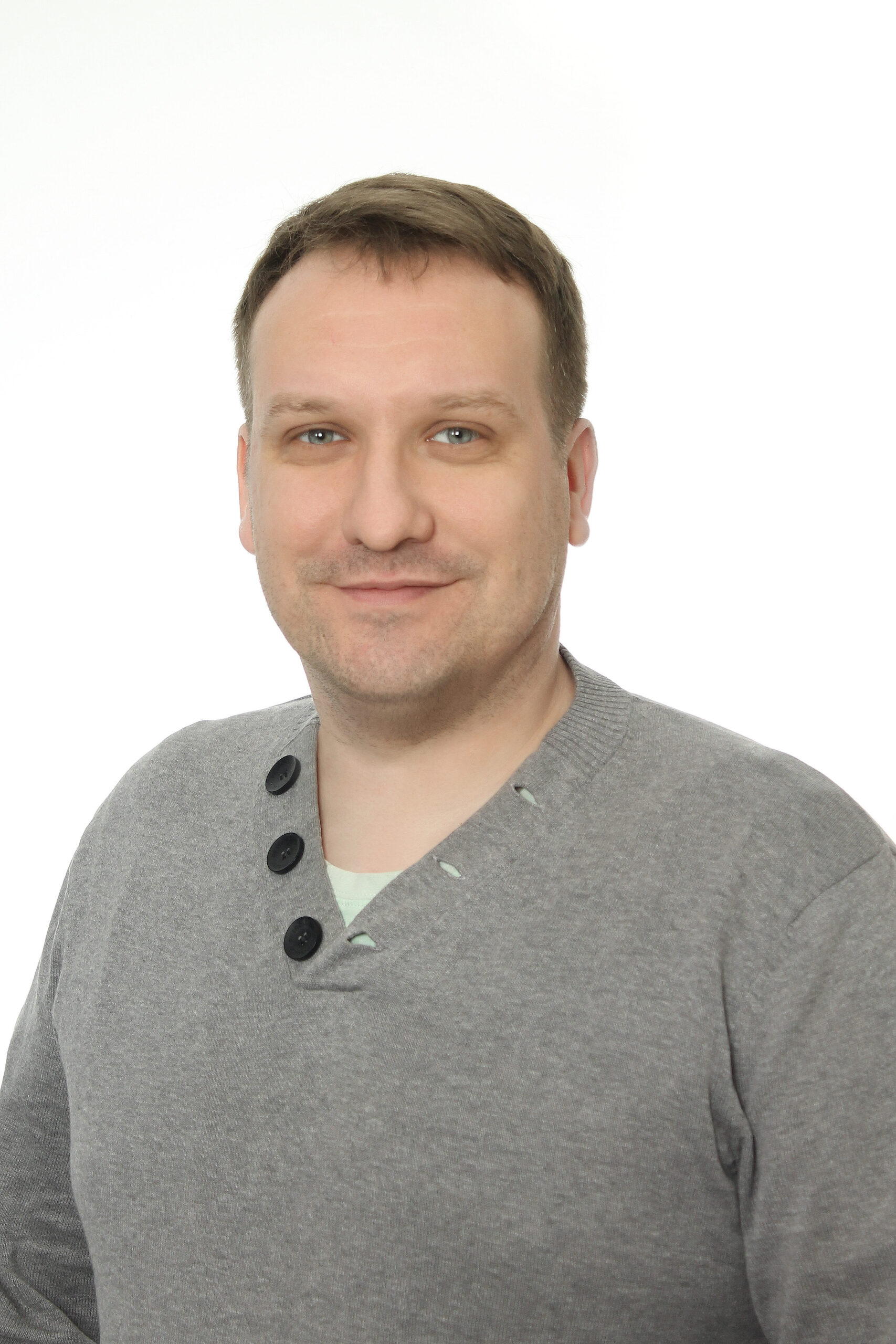
Laboratory of Molecular Ecology, Nature Research Centre, Vilnius, Lithuania
Petras Prakas is a Chief Researcher at the Nature Research Centre since 2021. His main research focus is on Sarcocystis parasites, and together with co-authors he has described 18 new Sarcocystis species. He has authored more about 100 scientific publications in the fields of parasitology, molecular ecology, and food safety and is an alumnus of the Young Academy of the Lithuanian Academy of Sciences. His current research aims to: (i) investigate the genetic, morphological, and ecological characteristics of foodborne parasites in animals; (ii) evaluate parasite-related food safety issues; and (iii) assess the genetic variation and population structure of animals in the context of biodiversity conservation, the One Health concept, and environmental protection. He has led more than a dozen national research projects, supervised three successfully defended PhD dissertations, and currently supervises four PhD students. He is a member of the editorial boards of five scientific journals.
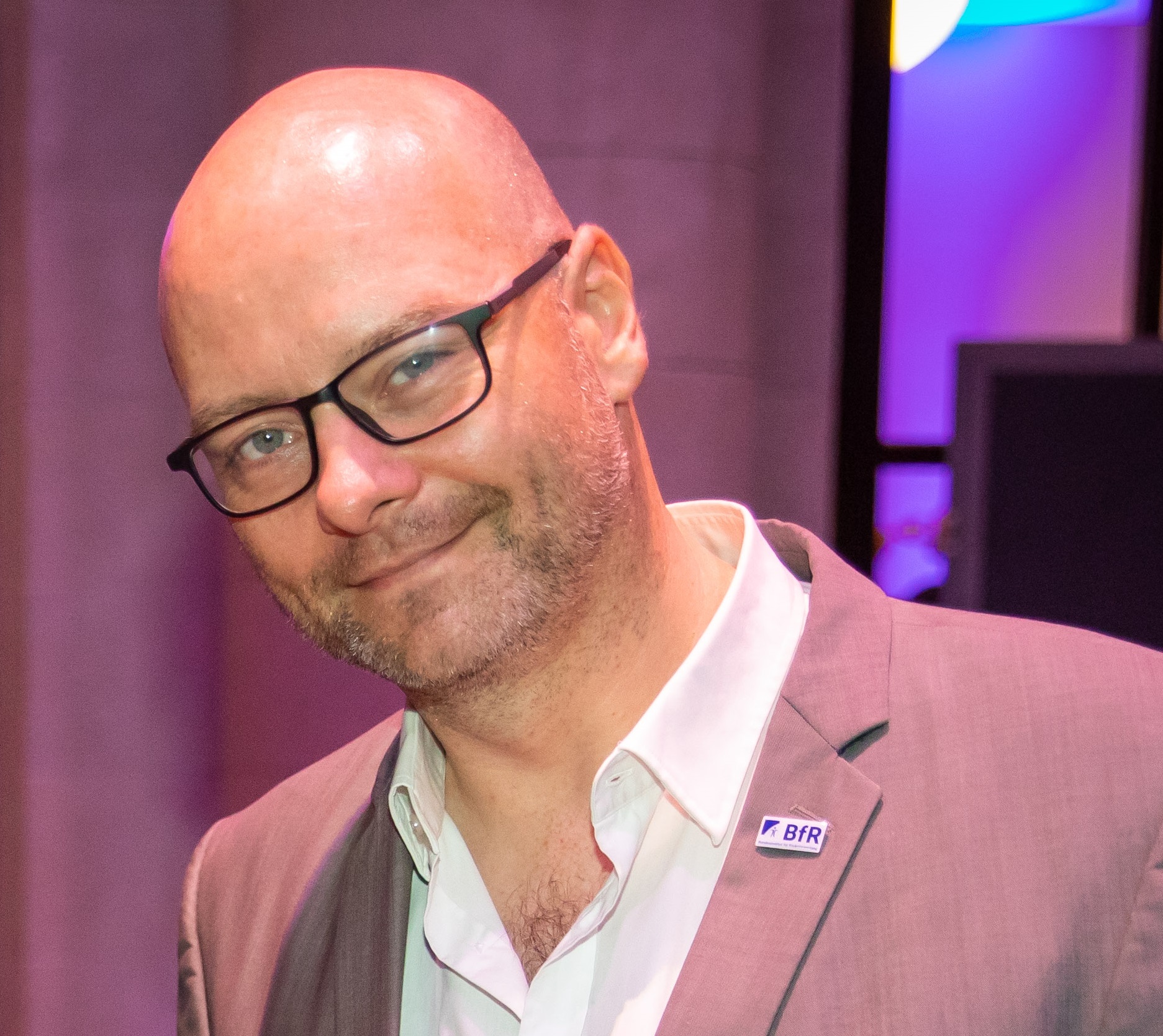
Bundesinstitut für Risikobewertung – BfR, Berlin, Germany
PharmD, PhD Martin Richter is a Scientific Director and Head of Unit “Diagnostics and Pathogen Characterisation” at the Federal Institute for Risk Assessment (BfR) since 2018, in Berlin, Germany. The unit comprises consulting laboratories for Leptospira, Yersinia, Vibrio and National Reference Laboratory for Trichinella. He is medical advisor and containment project expert consultant for the University of Texas Medical Branch in Galveston (USA) since 2010. Where he is responsible for training on government advisory, public health, epidemiology and infectious diseases. Furthermore, he is involved in vaccine and drug development for neglected diseases. Dr Martin is a permanent Member of the Committee for Biological Agents in Germany (ABAS) of the Federal Ministry of Labor and Social Affairs (BMAS) since 2011, where he deales with development of technical rules in usage and handling of biological agents in the workspace (bio-security, bio-safety measures, training requirements for work in BSL2, 3 and 4 laboratories). Head of Capacity Building projects in West Africa to better prepare the response to outbreaks of highly pathogenic diseases, agent analyses, detection of disease, treatment options, personal protection under recognition of social aspects and boundaries, Ebola Framework, Medevac, since 2014.
Moreover, author and co-author of many scientific publications. Currently he is a member of many Professional Societies, Steering Committees and Advisory Boards e.g.: American Society of Virology (ASV), American Society of Microbiology (ASM), German Pharmaceutical Society (DPhG), Work group Pharmacology and Toxicology, International Society for Infectious Diseases (ISID), Scientific Committee Med-Vet-Net Association (MVNA), Advisory Board International and Emergency Management Institute (ISEMI).
Medical University of Lublin, Poland
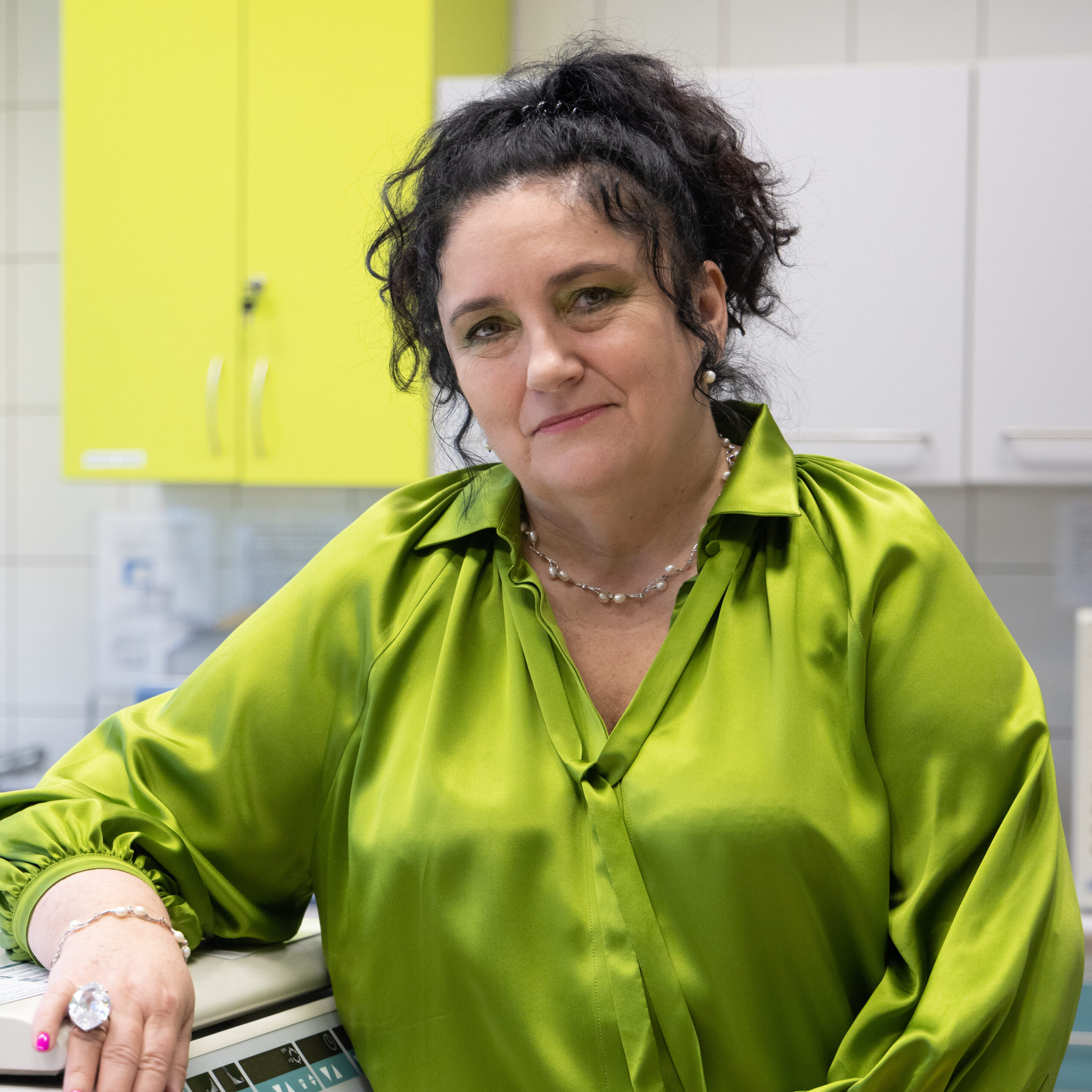
Prof. Anna Bogucka-Kocka is the author/co-author of 203 original papers with a total IF=414.266; PK=8901. Her research results were presented in 233 papers at national and international conferences (h-index=25 by Web of Science Core Collection; h-index=26 by Scopus). She was manager of 4 and principal investigator in 6 research projects. The investigations of her team focuses on issues related to transcriptomics, proteomics, parasitological diagnostics and studies of mechanisms of drug function and search for new compounds that are candidates for new antiparasitic drugs, and genetic biomarkers of parasitic diseases and diseases of civilisation, e.g. diseases associated with endothelial pathology of blood vessels in patients with chronic venous insufficiency, aneurysms and atherosclerosis, breast cancer and toxoplasmosis. Further research focuses on the diagnosis of parasitic diseases and the search for compounds of plant and fungal origin and those obtained by chemical synthesis with antiparasitic activity. He carries out this research based on an original model described in: Patent. Poland, No. 232918. Method of culturing nematodes of the genus Rhabditis sp. and determining the activity of nematicidal substances. (U.M. in Lublin, Authors: Anna Bogucka-Kocka, Przemysław Kołodziej). To date, the results of research using the above model have led to 12 patents. She has described new compounds, i.e. boron clusters, triazole derivatives, rhodanine derivatives, low molecular weight fractions of secondary metabolites from the fungus Cerrena unicolor with significant nematicidal activity against model nematodes of the genus Rhabditis sp. and pathogenic nematodes parasitising goats and horses. In the studies conducted, the nematicidal activity of the compounds was shown to be significantly higher than that of the commercial drugs used. She is co-author of 24 patents and 2 know-how. The patents obtained received: Gold medal at the 13th INTARG 2020 International Trade Fair of Inventions and Innovations for the invention “Newly synthesised compounds with nematicidal and antiparasitic activity”; Gold medal at the 13th INTARG 2020 International Trade Fair of Inventions and Innovations for the invention “Method of diagnosing arteriosclerosis and application of miRNA markers for diagnosing arteriosclerosis”; International Federation of Inventors’ Associations – IFIA – Award for the invention “Method of diagnosing arteriosclerosis and application of miRNA markers for diagnosing arteriosclerosis” received at the 13th INTARG 2020 International Trade Fair for Inventions and Innovations; Gold medal at the 14th INTARG 2021 International Trade Fair of Inventions and Innovations for the invention “Polyphenolic composition with application in prevention and support of treatment of neurodegenerative diseases especially Alzheimer’s”; Special Award of World Invention Intellectual Property Association WIIPA at the 14th INTARG 2021 International Trade Fair of Inventions and Innovations for the invention “Polyphenolic composition with application in prevention and support of treatment of neurodegenerative diseases especially Alzheimer’s”; Bronze medal at the 15th INTARG 2022 International Trade Fair for Inventions and Innovations for the invention “Method of culturing human and animal stem cells using a plant secretion obtained from the species Drosophyllum lusitannicum“; Gold medal at the 16th INTARG 2023 International Invention and Innovation Fair for the invention “Application of microRNA markers for detecting the presence of abdominal aortic aneurysms and method of diagnosing abdominal aortic aneurysms”; Gold medal at the International Warsaw Invention Show IWIS 2023 for the invention “Application of microRNA markers for detecting the presence of abdominal aortic aneurysms and method of diagnosing abdominal aortic aneurysms”. For her significant achievements in the field of implementation activities in the area of pharmacology, neuropharmaceuticals and the application of miRNA markers for the diagnosis of arteriosclerosis, she received the Minister of Health Award on 28.10.2021.

Department of Parasitology and Invasive Diseases, National Veterinary Institute - National Research Institute (PIWet), Puławy Department of Biological Health Hazards and Parasitology, W. Chodźko Institute of Rural Medicine, Lublin, Poland
Doctor of veterinary medicine, employed at the Department of Parasitology and Invasive Diseases of the National Veterinary Research Institute in Puławy since 2007, currently as an associated professor. Since 1994, he has also been employed at Institute of Rural Health, Department of Health Biohazards and Parasitology (assistant professor). His PhD thesis: “Studies on Toxoplasma gondii occurrence in farm and wild animals from area of Lublin province as a threat to rural inhabitants health” (2005). The post-doctoral degree obtained in 2018 (assessment of potential sources of Toxoplasma gondii infection in Poland). Promoter of 3 PhD theses. Scientific activity: research on the occurrence of Toxoplasma gondii, Cryptosporidium spp., Giardia duodenalis in animals, humans and the environment; epidemiology, serological and molecular diagnostics, genotyping. He is responsible for the activities of the NRL for toxoplasmosis in Poland. Author of 107 publications indexed in Web of Science (H index: 23), coordinator of several projects financed by the National Science Centre in Poland and the Ministry of Agriculture and Rural Development, participant of European projects, including ONE Health EJP (TOXOSOURCES, PARADISE), COST Action FA1408. Member of the Polish Parasitological Society.
The French Agency For Food, Environmental And Occupational Health & Safety (ANSES), Francev
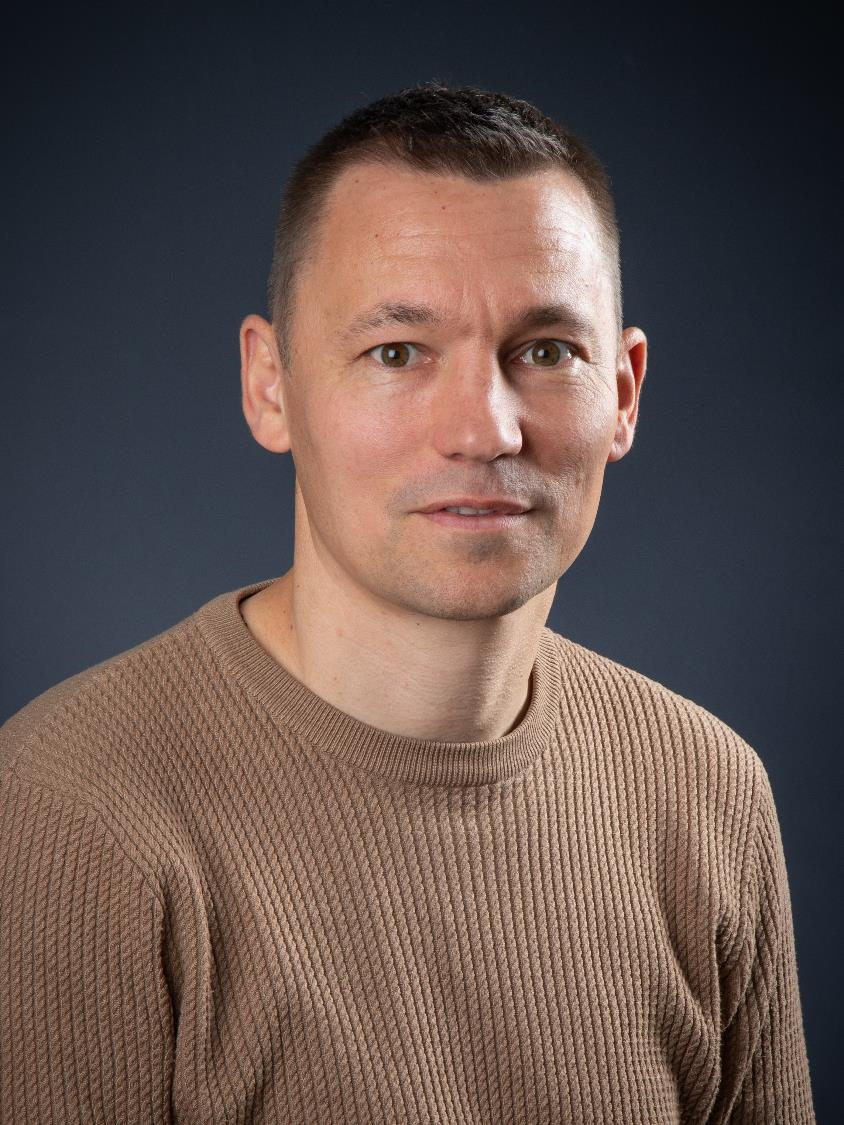
After completing a master’s degree in biotechnology, Gérald Umhang obtained a PhD in Life and Health Sciences from the University of Paris-Est. He joined AFSSA (which became Anses in 2010) in 2006 and currently heads the parasitology team at the rabies and wildlife laboratory in Nancy. He is also responsible for the French National Reference Laboratory (NRL) for Echinococcus spp., where he is mainly involved in developing analytical methods, training, epidemiological surveillance and has developed a scientific and technical expertise on this topic. He has contributed to the accreditation of morphological diagnostic analysis method using intestines and molecular analysis methods using tissue and feces. He is a member of the scientific committee of the human reference center for echinococcosis in France and also member of the board of directors of the French Society of Parasitology and member of the World Association for Echinococcosis. His work also covers others parasitic genus such as Baylisascaris spp. and Angiostrongylus spp.
Recognized as a European and global expert on Echinococcus spp., he has participated in numerous European-funded projects such as ICONZ, EJPOH MEmE and ECHINO-SAFE-MED. He is the author of more than 90 publications in international peer-reviewed journals and has given numerous presentations at parasitology conferences. His work has greatly contributed to a better understanding of the distribution and characterization of Echinococcus species in France, while developing numerous international collaborations on this subject. His area of expertise mainly concerns detection and molecular epidemiology, as well as environmental and food contamination by Echinococcus.
Istituto Zooprofilattico Sperimentale delle Venezie, Italy
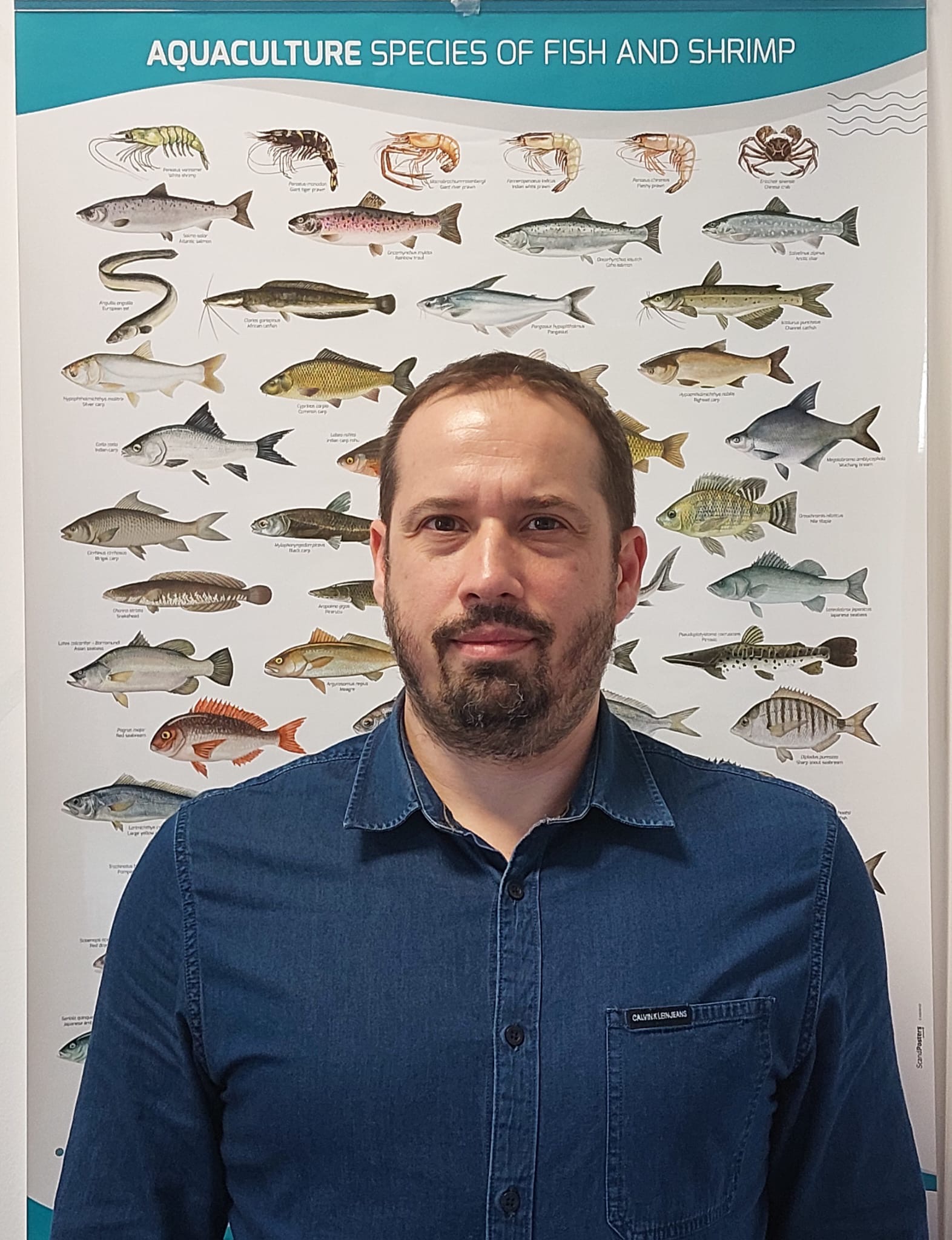
Dr. Vasco Menconi is a biotechnologist specializing in aquaculture, fish pathology, and seafood safety. He holds a B.Sc. in Aquaculture and Fish Pathology, an M.Sc. in Animal Biotechnology, and a First-Level Master’s degree in Aquaculture and Ichthyopathology, all obtained from the University of Bologna (Italy).
Since 2022, he has been serving as a Project Officer at the Istituto Zooprofilattico Sperimentale delle Venezie (Italy), where he coordinates international research projects and collaborations in the fields of fish health and aquaculture.
His research focuses on fish-borne zoonotic parasites, emerging aquatic pathogens, One Health approaches, and the ecological impacts of human activities on aquatic ecosystems.

Marine Fisheries Institute – State Research Institute, Gdynia, Polska
Katarzyna graduated in Marine Biology from the Faculty of Oceanography at the University of Gdańsk, Poland. In 2010, she began cooperation with the Department of Fisheries Resources, NMFRI, where she continues to work today. In 2015 she defended her doctoral dissertation entitled: „Host-parasite interactions as indicators in biomonitoring of Baltic Sea environment” , focusing mainly on research on Atlantic cod (Gadus morhua) from the Baltic Sea and Anisakidae nematodes. Since the beginning of her work at the NMFRI, she has participated in numerous projects aimed at: assessing the health status of fish in the Baltic Sea and the Norwegian Sea; demonstrating the impact of the presence of the nematode Contracaecum osculatum on the fish condition and cod stocks status in the Baltic Sea; and identifying transmission pathways of Anisakidae nematodes in fish. With regard to the occurrence of Anisakidae nematodes, she has examined the following fish species: cod, salmon (Salmo salar), sprat (Sprattus sprattus), flounder (Platichthys flesus), garfish (Belone belone), great sandeel (Hyperoplus lanceolatus), shorthorn sculpin (Myoxocephalus scorpius), fourbeard rockling (Enchelyopus cimbrius), pike (Esox lucius), perch (Perca fluviatilis). Katarzyna participates in international projects and the work of international organizations (including ICES, HELCOM). She is also a member of the organizations such as European Federation of Parasitologists, the European Association of Physician Pathologists. She disseminates her research results via scientific articles and conference presentations. Katarzyna’s main research interests include the health status of fish in the Baltic Sea, with particular emphasis on species important for human consumption, and the occurrence of zoonotic Anisakidae nematodes in these fish.

University of Life Sciences in Lublin, Faculty of Veterinary Medicine, Department of Parasitology and Fish Diseases, Department of Parasitology and Invasive Diseases, Lublin
Veterinarian, Assistant Professor in the Department of Parasitology and Invasive Diseases, Faculty of Veterinary Medicine, at the University of Life Sciences in Lublin. In 2016, she was awarded the degree of Doctor of Veterinary Sciences based on her doctoral dissertation entitled: “The Impact of Selected Antiparasitic and Disinfectant Agents on the Development of Hookworm Eggs and the Survival of Hookworm Larvae in Dogs.”
Her research focuses primarily on the prevention, diagnosis, and epidemiology of parasitic diseases in companion animals, livestock, and wildlife, with particular emphasis on parasitic zoonoses. She conducts studies on the parasite fauna of both native and exotic non-domesticated animals, with special attention to invasive species. Her work also addresses the issue of anthelmintic resistance in gastrointestinal nematodes of ruminants and dogs. She is actively involved in research on the efficacy of natural and synthetic active substances in the control of parasites of mammals and birds, including the search for novel chemical compounds with antiparasitic potential. Her principal research interest concerns infections caused by nematodes of the Ancylostomatidae family in companion and free-ranging carnivores.
She is the author of more than 47 scientific publications, including 33 papers in Category A journals, 11 papers in Category B journals, 3 monographs, 67 presentations at national and international scientific conferences, and 2 patents.
Marta has served as Principal Investigator of one research project and Research Team Member in four research projects funded by the National Science Centre (NCN), the National Centre for Research and Development (NCBR), and the Ministry of Science and Higher Education (MNiSW).
Participant in a COST Action project and a member of the Polish Parasitological Society
National Poultry Council - Chamber of Commerce, Poland
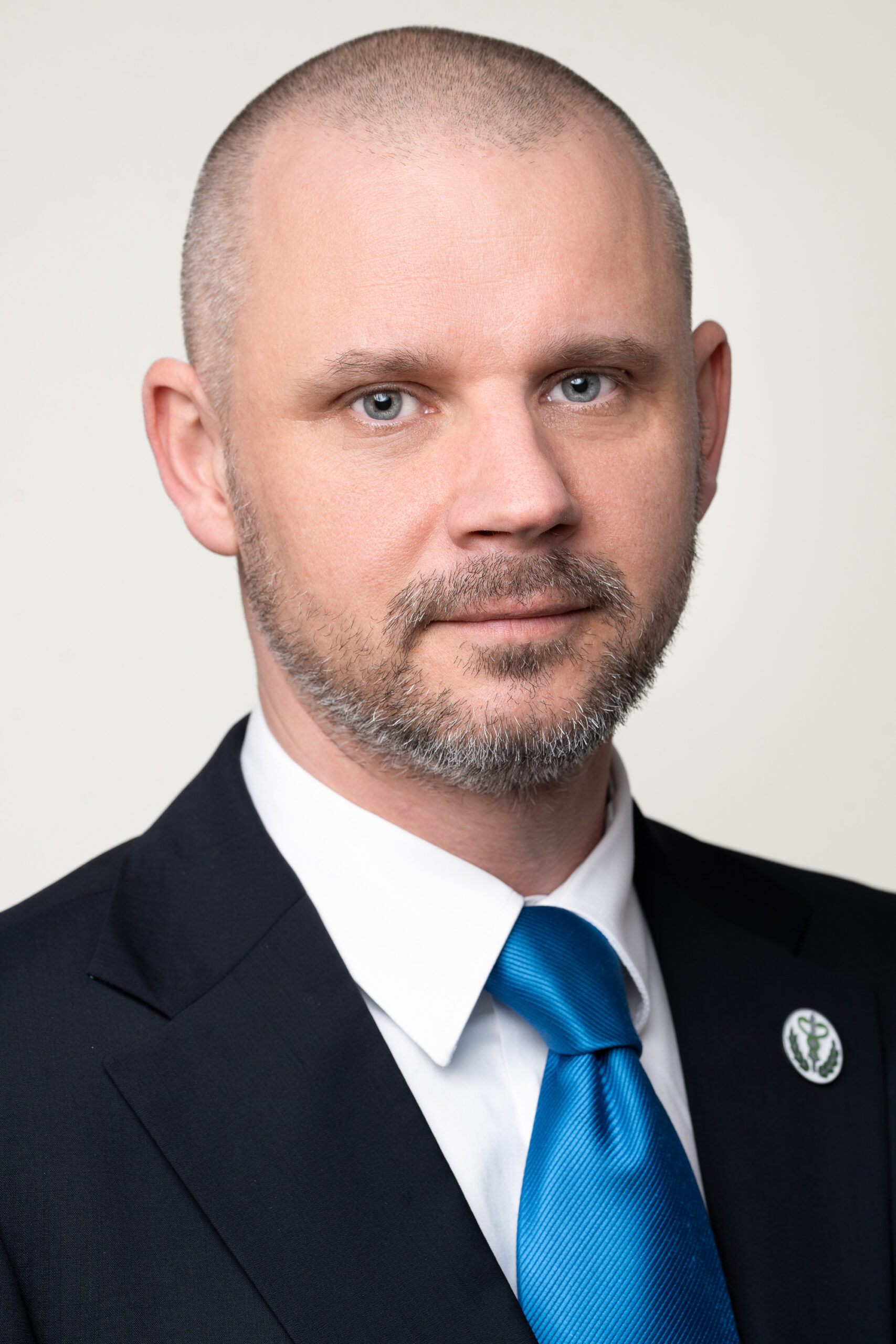
Veterinarian, specialist in the hygiene of slaughter animals and food of animal origin, as well as epizootiology and veterinary administration. From the beginning of his professional career, he has been associated with the Veterinary Inspection. From 2009 to 2017, he served as District Veterinary Officer in Pruszków, from 2018 to 2020, he headed the Veterinary Hygiene Department in Warsaw, and from 2024 to 2025, he held the position of Deputy Chief Veterinary Officer for Animal Health and Protection, Borders, and Laboratories. From 2021 to 2025, he was also associated with the Chief Veterinary Inspectorate. He currently serves as the Director for Veterinary Medicine and Sustainable Poultry Production at the National Poultry Council – Chamber of Commerce. He is the co-author of numerous studies and co-creator of IT tools supporting the monitoring and analysis of infectious animal diseases. For his contribution to the development of veterinary administration, he was awarded the Medal of Merit for Agriculture.

Department of Veterinary Science, University of Pisa, Italy
Emily Sel is a PhD student in Veterinary Science at the Department of Veterinary Science of University of Pisa. She graduated in Animal Breeding Techniques and Dog Education at the University of Pisa, in 2021, and in Animal Biotechnology at the University of Bologna in 2023. In 2025, she completed a postgraduate Master’s programme in Forensic Chemical and Chemical-Toxicological Analysis at the University of Bologna. During her academic training, she worked in several parasitology and transmissible diseases laboratories at the Universities of Pisa and Bologna. Her PhD project focuses on ticks, protozoan tick-borne diseases, and wildlife in different regions of Italy. Using molecular technique, including PCR and next-generation sequencing (NGS), she investigates the occurrence of tick-borne pathogens in wildlife species and evaluates their potential impact on animal and public health within a One Health approach.
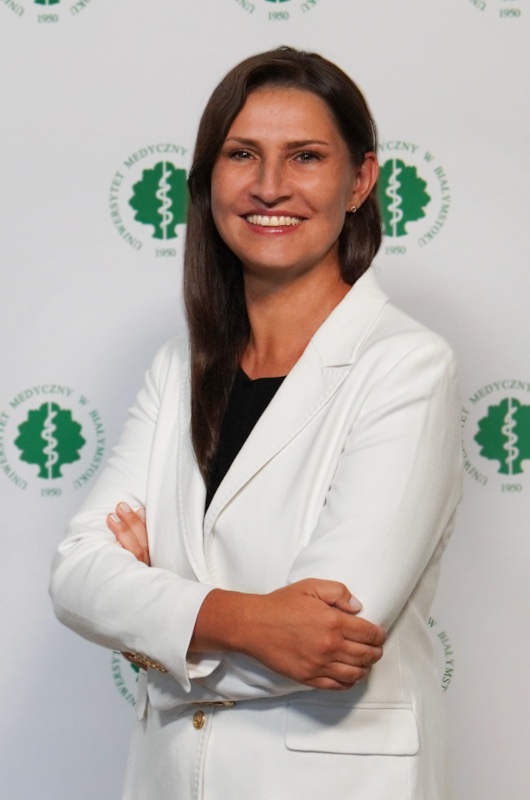
Department of Infectious Diseases and Neuroinfections, Medical University of Białystok, Poland
Prof. Anna Moniuszko-Malinowska is a graduate of the Faculty of Medicine of the Medical Academy in Białystok and the Warsaw School of Economics. She is a specialist in internal medicine, infectious diseases, and marine and tropical medicine. She began her professional and scientific work in 2006 at the Department of Infectious Diseases and Neuroinfections (under the direction of prof. dr hab. Sławomir Pancewicz), where he still works today, serving as the head of the Clinic. He also serves as Deputy Dean for Science and Evaluation of the College of Medical Sciences of the Medical University of Bialystok.
Her scientific interests include primarily the issues of pathomechanisms, diagnostics, prevention and treatment of infectious diseases, especially diseases transmitted by ticks. Her scientific achievements include works with a total IF of over 600.
Laureate of the Polish School of Medicine Memorial Fund Scholarship, Edinburgh, Scotland, the Scholarship of the Minister of Science and Higher Education for outstanding young scientists and the “Top 500 Innovators Science – Management – Commercialization Program”, University of California, Berkeley, USA.
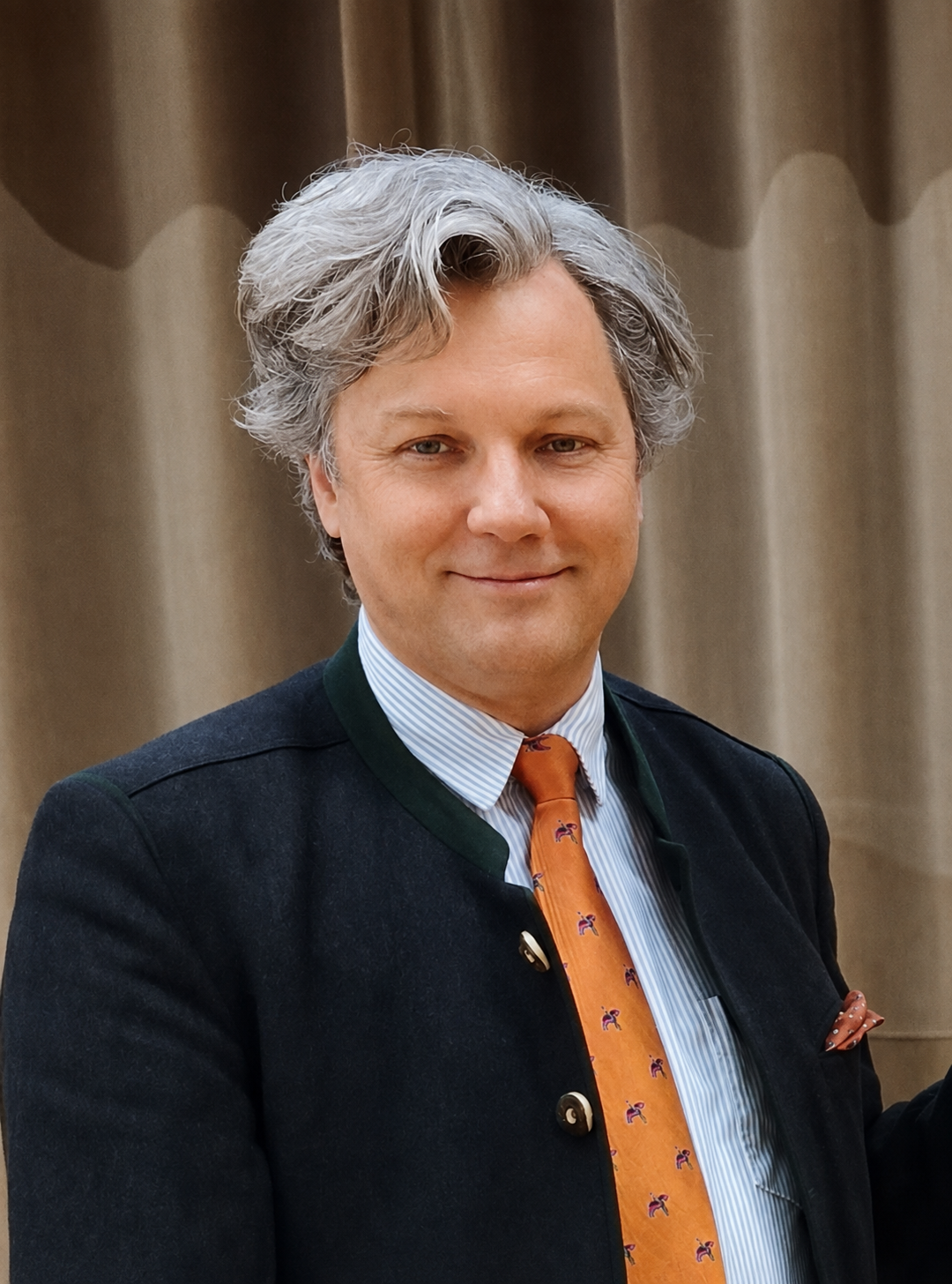
Poznań University of Life Sciences, Poland
Prof. Dariusz J. Gwiazdowicz is the author of more than 500 scientific and popular science publications published in over 120 journals across 25 countries, nearly 150 of which have appeared in journals indexed in the Journal Citation Reports. He is also the author of two scientific books on acarology, co-author of 10 textbooks and popular science books (including Nature Conservation and Forest Aesthetics), and scientific editor of more than 50 scholarly books and monographs. He has carried out research projects and teaching activities at more than 30 institutions on all continents, including UNIS, Svalbard, Norway; the Experimental Institute for Agricultural Zoology, Florence, Italy; Research Station Panguana, Peru; CSIRO, Canberra, Australia; Shahrekord University, Iran; Hokkaido University, Japan; Irkutsk State Agrarian University, Russia; Arctowski Station, Antarctica; the University of Michigan, USA; and The Ohio State University, USA.
His major scientific achievements in taxonomy include the description of four genera and nearly 50 species of mites new to science, originating from numerous countries, including Australia, Iran, Mexico, Norway, Peru, Poland, Russia, and the USA. In zoogeography, an important aspect of his research has been the determination of the distribution ranges of numerous invertebrate species, from the Arctic, through the forests of Siberia, the deserts of Iran, and the tropical forests of Asia and North and South America, to Antarctica. His ecological research has focused on the use of invertebrates as bioindicators of environmental change, both in polar regions affected by glacier retreat and in biodiverse tropical forests threatened by wildfires. Significant findings in the field of parasitology include the identification of threats posed by parasitic mites to certain species of lizards, birds, and mammals, as well as the assessment of the potential risks these parasites may pose to human health.
Professor D. J. Gwiazdowicz has held and continues to hold a number of prominent positions, including Member of the Climate and Environment Council to the President of the Republic of Poland; Permanent Advisor to the Parliamentary Committee on Environmental Protection, Natural Resources and Forestry; Member of the Scientific Policy Committee at the Ministry of Education and Science; Expert of the National Science Centre in the field of Life Sciences; Coordinator of the National Forest Programme within the “Heritage” panel; and Head of the Department of Forest Protection and Natural Environment at Poznań University of Life Sciences.